Why service gaps stay hidden
Customers do not report every poor experience. Some quietly leave, abandon the purchase or choose another provider. Internal checks may also miss problems because staff behave differently when they know an audit is taking place.
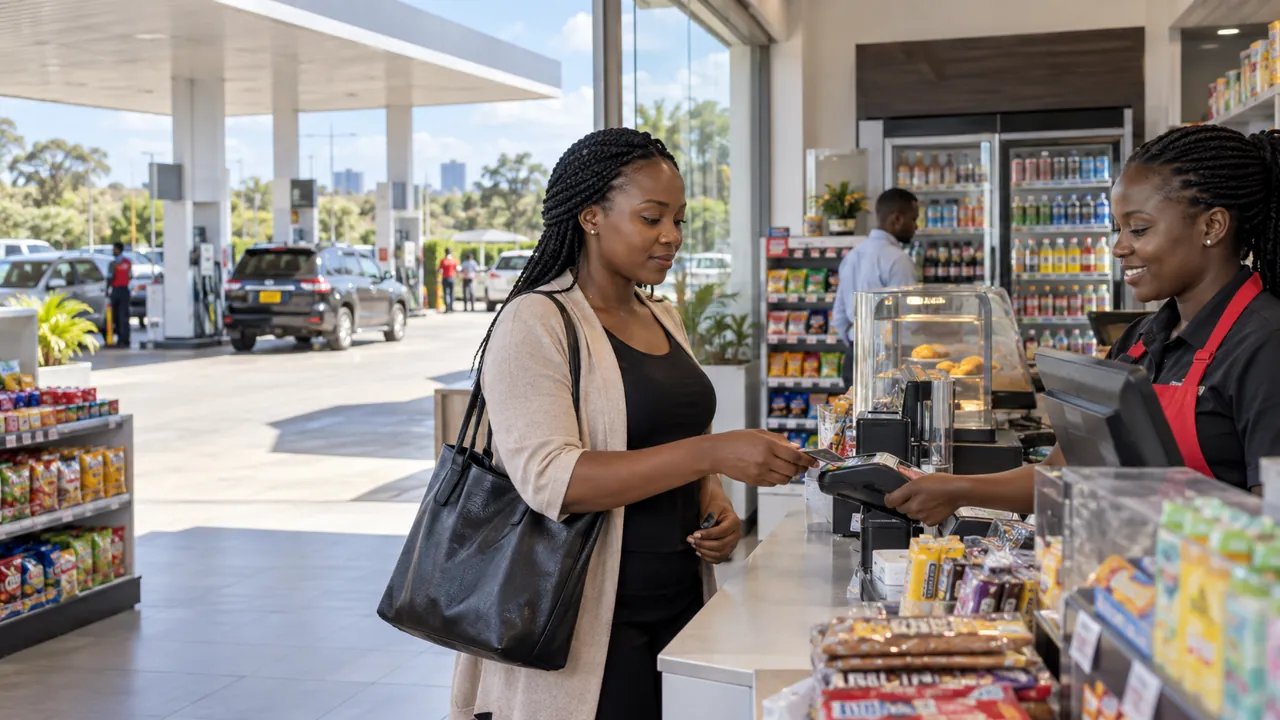
Fuel stations operate through repeated high-volume interactions where safety, speed, accuracy, cleanliness and upselling standards matter. Mystery shopping creates a controlled customer journey that allows the organisation to compare the intended process with what happens in an ordinary interaction.
Common gaps in petrol stations and convenience stores
The most useful findings are specific enough to fix. In this sector, recurring risks include:
- vehicles not guided safely
- requested amount not confirmed
- receipts not offered
- poor forecourt cleanliness
- shop promotions not implemented
Separate a staff issue from a system issue
A low score does not automatically mean one employee is at fault. The cause may be unclear pricing, missing stock, slow systems, poor shift planning, conflicting scripts or a policy that makes resolution difficult.
Compare notes across locations and visit times. If the same failure appears repeatedly, management should investigate the process before treating it as an isolated performance problem.
Use evidence to diagnose the cause
Useful supporting evidence can include receipt details, service timestamps, approved forecourt observations and availability notes. Pair evidence with shopper notes and the exact journey stage where the failure occurred.
Quality review matters because serious findings should never rest on an unsupported opinion. Confirm visit details, check internal consistency and arrange a repeat visit when evidence is unclear.
Move from findings to correction
Operations teams can improve forecourt readiness, transaction accuracy, safety communication and shop merchandising. Prioritise high-risk and high-frequency gaps, assign owners and repeat the relevant visits after corrective action.
Rudder Research and Data Analytics LTD helps organisations identify service gaps independently and translate field observations into practical branch-level improvements.
Frequently asked questions
How many petrol stations and convenience stores visits are needed?
The right number depends on the decision, number of locations, customer scenarios and whether management needs a baseline or a statistically stable trend. A pilot can confirm the practical sample before a wider wave.
Can visits be completed outside Nairobi?
Yes. Rudder Research and Data Analytics LTD can coordinate mystery shopping in other Kenyan towns and counties where the locations, timing and evidence requirements are clearly defined.
What does the client receive?
Deliverables can include a quality-checked visit dataset, branch scorecards, shopper narratives, evidence where appropriate, a management summary and an action tracker.