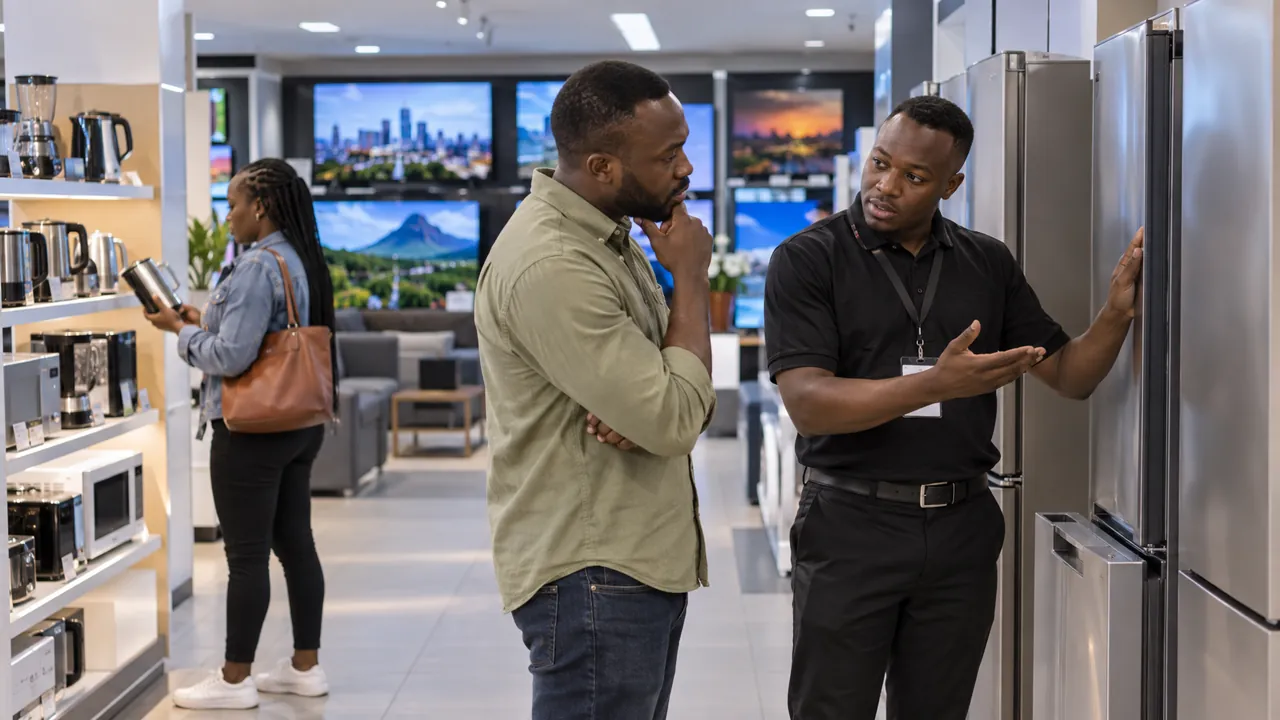
What mystery shopping reveals in electronics and appliance stores
Customers rely on sales staff to translate technical features into practical choices and explain warranty, delivery and installation clearly. A normal satisfaction survey records what customers remember and choose to report. A mystery visit adds direct observation of the service process while it is happening.
For electronics and appliance stores, a useful programme follows the full journey of a shopper comparing a technical product and after-sales support. The visit should measure arrival and staff availability, needs and budget discovery, accuracy of product comparison, demonstration and stock confirmation and warranty, delivery and installation explanation. Those observations give management a practical view of whether the intended service standard is visible at branch level.
How a credible visit is designed
A shopper may compare two appliances within a budget, describe the intended use and ask about warranty and delivery. The task should be realistic enough that staff respond as they normally would, while remaining fair, lawful and relevant to the service being tested.
Before fieldwork, the client and research team agree on the customer profile, enquiry, branches, visit window, scoring rules and acceptable evidence. This prevents shoppers from improvising different tests and makes branch comparisons more reliable.
- arrival and staff availability
- needs and budget discovery
- accuracy of product comparison
- demonstration and stock confirmation
- warranty, delivery and installation explanation
Evidence to collect without disrupting the service
Evidence for this sector may include quoted prices, availability notes, public warranty information and interaction and follow-up notes. Not every assignment requires photographs or recordings. The evidence plan must respect privacy, site rules and the sensitivity of the interaction.
A shopper should submit the form immediately after the visit, distinguish observed facts from personal impressions and explain any score that falls outside the expected range.
What the final report should answer
The report should show where the customer journey works, where it breaks and whether the problem is isolated or repeated across locations. Typical warning signs in electronics and appliance stores include staff push one product without discovery, incorrect feature claims, display units not demonstrated, warranty terms unclear and delivery costs revealed late.
Retail managers can improve needs-based selling, technical accuracy, demonstration quality and after-sales explanation. Results are most useful when each finding is connected to an owner, an action and a follow-up date.
Commissioning mystery shopping in Kenya
A practical brief should state the number of locations, towns, visit scenarios, customer profiles, evidence requirements and reporting deadline. It should also explain whether the purpose is diagnosis, compliance monitoring, staff coaching or a before-and-after comparison.
Rudder Research and Data Analytics LTD designs and manages independent mystery shopping and customer-experience audits across Kenya. We can support a focused Nairobi exercise or coordinate multi-county branch checks with structured quality control.
Frequently asked questions
How many electronics and appliance stores visits are needed?
The right number depends on the decision, number of locations, customer scenarios and whether management needs a baseline or a statistically stable trend. A pilot can confirm the practical sample before a wider wave.
Can visits be completed outside Nairobi?
Yes. Rudder Research and Data Analytics LTD can coordinate mystery shopping in other Kenyan towns and counties where the locations, timing and evidence requirements are clearly defined.
What does the client receive?
Deliverables can include a quality-checked visit dataset, branch scorecards, shopper narratives, evidence where appropriate, a management summary and an action tracker.